


One of the first hurdles that many parents face when they work together as a team is choosing a name. The stakes are even higher when you are choosing Hebrew Baby Names for Boys or Hebrew Baby Names for Girls; not only is developing a baby name a way to label your child but it is also a connection to his/her soul, a legacy, and your tangible heritage. You may find that your partner’s choice of a traditional biblical name may differ from your choice of something more modern (like Ari vs. Avraham). You are not alone if you have run into a roadblock; many parents have experienced this dilemma. It’s actually a wonderful time to develop your relationship value system together. Here in this blog, we provide you with the information about what if parents disagree on a Hebrew baby name.
The Cultural Divide: Ashkenazi vs. Sephardic Traditions
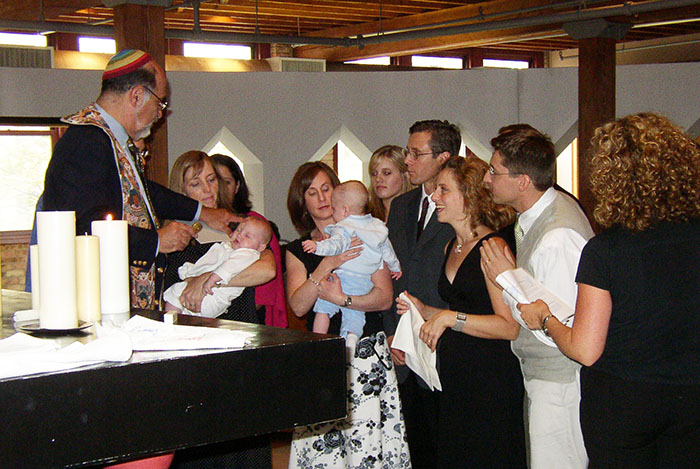
Disagreement often arises from the many cultural differences in the Jewish diaspora. This type of disagreement can arise when one of the parents is Ashkenazi and the other is Sephardic; the naming customs may differ significantly.
- Because of the tradition amongst Ashkenazi Jews, when a child is being named after a deceased relative, the custom is to avoid naming a child after a living relative for superstitious reasons (to prevent giving the Angel of Death any confusion, etc). Only by naming the living relative after the deceased relative will the deceased be remembered.
- Within the Sephardic custom, there is great honor in naming a child after a living relative, particularly a person who is his/her grandparent. In fact, there is a specific order used in this process i.e. first-born son is named after the paternal grandfather; second-born son is named after the maternal grandfather, etc.
Comparative Naming Trends: Tradition vs. Modernity
New data from Israel (according to the Israel Central Bureau of Statistics) reflects a growing trend of modern Hebrew names towards younger (working/adult) Jews. Traditional names are still out there, but the proliferation of modern Hebrew names in Israel has radically transformed the way that parents view their options.
| Naming Style | Popular Examples (Boys) | Popular Examples (Girls) | Key Characteristics |
| Biblical/Classical | David, Yosef, Avraham | Sarah, Leah, Miriam | Timeless, honors ancestors, strong religious link. |
| Modern Hebrew | Ariel, Noam, Itay | Ayala, Maya, Noa | Nature-based, easy to pronounce in English |
| Gender-Neutral | Ariel, Uri, Omer | Gal, Yuval, Simcha | Reflects modern values of equality and versatility |
Key Facts for Resolving Disagreements
When stuck while naming your new baby, you can use these tips from naming professionals and religious authorities to help you decide on a name for your new baby:
- The “One-for-One” Swap: If you are planning on having another child, then the first child will have his/her name chosen by one parent and the second child will have his/her name chosen by the other parent.
- Two-in-one Names: Parents can compromise by choosing names that work equally well in English and Hebrew (for instance Noah and Noam, Maya, Adam, Ben).
- Use a Middle Name: If you were to use the middle name as a family obligation or to honor a family member and your first name is simply a name that you both like.
- Meaning versus Sound: Parents often disagree about the “sound” of a name, but agree on its “meaning.” So, if both parents want a name that has the meaning of “light,” they can consider all of the names (Orit, Lior, Meir).
- Wait for the Baby to Arrive: Certain traditions suggest waiting until your baby decides on a name. Many couples have found that by the time the baby arrives, one name seems to be a better fit than the rest.
Statistical Insights on Baby Naming
Recent demographic studies performed on Jewish communities show:
- Approximately 2.7% of Jewish boys who were born during the year 2024 were given the name David (the most frequently chosen traditional name).
- Avigail has become the most frequently chosen name by Jewish parents for their female children, following the general trend of parents choosing to name their daughters after Biblical female leaders who were strong in their own ways.
- As a modern Jewish family often consists of a child from a mixed-faith family or has no religious affiliation at all, the practice of using Hebrew names as only “ceremonial-natured” has increased by about 15% over the last decade, thus allowing for parents to give their child a secular legal name but still have a religious name for the Brit Milah or Simchat Bat naming ceremony.
Navigating the “Tug-of-War”
If there is a genuine source of stress due to the disagreement, it should be noted that the name is ultimately meant to be a source of blessing (Bracha), rather than disagreement (Machloket). One tool that experts recommend to help alleviate this stress is to implement a “Veto List.” Each parent has 20 different names that they like written down. Then, you would get the other parent’s list and cross off all the names that you absolutely hate. The names remaining on both of your lists will then be your “Golden Circle” of possibilities.
Conclusion
Choosing a meaningful name is an important step in introducing your child to the religious community and culture of Judaism. Disagreements over the name you choose show an investment in your child’s sense of self.
A great first step would be consulting with a kind rabbi about ways to combine your naming choices into an exquisite, personalized Jewish ceremony and about how to interpret the halakhic details related to naming. Rabbi Ron Bordon enjoys assisting families during these special times, ensuring that the naming ceremony is both a joyful experience for everyone involved and a holy experience.
FAQs
What if we love a name but it’s really hard for our non-Jewish relatives to pronounce?
Staying true to your heritage while trying to avoid issues with Grandma having difficulty when she calls your child is a difficult situation to be in! One way to get around this issue is to use a “Phonetic Bridge.” Parents of Jewish children frequently use names that are authentically Hebrew, yet relatively easy for English speakers to pronounce, like Maya, Noah, and Adam. If you would like a name with a guttural sound or a complex pronunciation, you can still use that name as the Hebrew name in connection with your child’s Jewish ceremonies, while selecting a more appropriate, English-sounding name for the birth certificate associated with the child.
Can we give our baby two Hebrew names if we can’t decide on just one?
Totally! Double first names are popularly used in Jewish tradition (i.e., Chaya Mushka; Yosef Yitzchak). So if one parent wants to pay homage to a relative while the other prefers a trendy name, this is the best compromise for your name! Just understand that your child will use both names through both the Bar/Bat Mitzvah and later at their Chuppah.
We found a name we love, but someone told us it has a ‘bad’ meaning. Should we scrap it?
The Hebrew meaning of a name can be very personal. Some people may not like the name Leah because, in many translations, it can mean “weary,” while others will appreciate the name because of the amazing strength and endurance of the matriarch Leah. Before you decide to give up on a name that you love, you may want to speak to someone with a good knowledge of Hebrew names, such as Rabbi Ron Bordon, who is often able to help parents explore the root and biblical meaning of a name so that they can determine whether the name “fits” with how they would like to raise their child.
How do we officially ‘register’ the Hebrew name?
Unlike your felony name on a birth certificate, a Hebrew call is formally installed during a spiritual rite. For boys, this takes place at some point of the Brit Milah (circumcision), and for ladies, it usually happens in the course of a Simchat Bat or a Torah naming at the synagogue. This is why having a person like Rabbi Ron Bordon involved is so beneficial—he can manual you via the ritual of “bestowing” the call so it feels reputable and sacred.