An unveiling service is one of the most significant customs in Jewish mourning. Held typically about 12 months after the burial, the unveiling is when the grave marker or headstone is revealed for the first time. For most families, it is a gentle experience that allows them to come together, reflect, and honor their loved one’s life in a calm, peaceful environment.
If you’ve never attended or organized an unveiling ceremony, you may feel unsure about what is involved, how to prepare, and whether the event will be highly emotional. This guide explains everything simply, so you know exactly what to expect.
Why the Unveiling Ceremony Matters
Unveiling is not just a ritual; it is a moment of shared healing. It offers individuals and families the opportunity to:
- Remember and commemorate the deceased
- Reflect quietly or share stories
- Find emotional closure
- Mark the transition from deep mourning to long-term remembrance
What Is an Unveiling Ceremony?
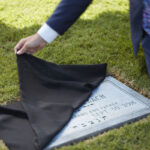
In Jewish custom, the unveiling (also known as “stone setting”) is a modest ceremony conducted at the grave. The covering is removed from the headstone, a gesture of remembrance and continuity. The service usually lasts 20–30 minutes and typically includes:
- Psalms
- Short readings
- A eulogy or brief remarks
- The unveiling itself
- The Mourner’s Kaddish
- Placing stones on the grave
Although the structure is traditional, the tone is simple, gentle, and intimate.
When Is the Unveiling?
Traditionally, the unveiling takes place between six months and one year after death, with most families choosing the one-year mark.
Current common practice shows:
- 52% of households wait between 6 and 10 months
- 36% wait until closer to a year
- 12% adjust the date due to family needs or travel
There is no objectively “right” time — only the timing that feels meaningful and manageable for the family.
What Happens During the Ceremony? Step-by-Step
Here is a quick primer to help you understand the flow.
Arrival and Gathering
Guests approach the graveside quietly, dressed casually in suitable outdoor attire. There is no official dress code, but most people choose:
- Modest clothing
- Neutral colors
- Shoes appropriate for walking on grass
A rabbi or officiant welcomes the group and begins the ceremony once everyone is gathered.
Opening Remarks
The officiant greets those present and offers a few words about the significance of the moment, touching on:
- Remembrance
- Gratitude
- Honoring the deceased
- Supporting the healing process
This establishes a measured, respectful tone.
Traditional Readings and Psalms
Some of the shorter selections frequently used include:
- Psalm 23
- Psalm 121
- Other comforting passages
These readings are generally soft, warm, and soothing for all present.
Personal Words or Reflections
Family members may choose to share:
- A cherished memory
- A poem
- A thought about the loved one
This is entirely optional, but it often adds warmth and connection to the ceremony.
The Unveiling of the Monument
The rabbi or officiant invites immediate family members to remove the covering from the headstone. This is usually the ceremony’s most emotional moment.
The unveiling symbolizes:
- Revelation
- Acceptance
- Tribute
- Connection between past and present
A quiet pause for reflection often follows.
Recitation of the Mourner’s Kaddish
The Mourner’s Kaddish comes next. Although it does not directly reference death, it is a prayer of praise and acknowledgment, filled with gratitude and acceptance.
Placing Stones on the Grave
Attendees place small stones on the headstone instead of flowers, symbolizing:
- Love
- Permanence
- Presence
- Continuing remembrance
Each stone is a personal tribute.
Closing Words
The officiant concludes with a short benediction, offering peace and comfort to the family.
Typical Structure of an Unveiling Ceremony (Quick Table)
| Part of Ceremony | Duration | Purpose |
| Gathering and welcome | 2–3 min | Bring group together, set tone |
| Psalms and readings | 5–7 min | Provide comfort and reflection |
| Personal remarks | 3–5 min | Honor the loved one |
| Unveiling of headstone | 1–2 min | Symbolic moment of remembrance |
| Mourner’s Kaddish | 2–3 min | Spiritual closure |
| Placing stones | 2–3 min | Personal tribute |
| Final blessing | 1 min | Conclude ceremony |
Typical total time: 20–30 minutes
Do You Need a Rabbi for the Unveiling?
Although a rabbi is not strictly required, most families prefer to have one present for guidance and ritual leadership. Having a rabbi can bring warmth, structure, and spiritual support to an emotional moment.
How to Host an Unveiling
Planning is straightforward. Some decisions include:
- Choosing a date
- Coordinating with the cemetery
- Selecting readings or memories
- Bringing stones
- Deciding who will attend
Unveilings are usually small and intimate — around 10–20 people — often gathering afterward at the same home where the funeral took place.
Emotions You May Experience
Here’s what it may feel like. It is completely normal to experience:
- Sadness
- Gratitude
- Relief
- Love
- A sense of closure
The unveiling is often described as a peaceful experience that supports the healing of the soul.
Some Modern Trends in Unveiling Ceremonies
Some families incorporate updated elements:
- Shorter ceremonies
- Personal readings or stories
- Inclusive participation for non-Jewish guests
- A temporarily displayed photo
- Live-streaming for distant relatives
With families spread across the world, roughly 28 percent of unveilings now offer a virtual option.
What Not to Worry About During an Unveiling Ceremony
You do not need to worry about:
- Wearing formal clothing
- Memorizing prayers
- Bringing special items
- Giving long speeches
- Staying for a long time
The ceremony is intended to be warm, simple, and soothing.
After the Ceremony
Most families take time to:
- Greet one another
- Share memories
- Visit casually
- Have a meal together
This relaxed time often becomes just as meaningful as the ceremony itself.
Frequently Asked Questions
Question 1. How long is an unveiling ceremony?
Answer: It generally lasts 20 to 30 minutes. It is brief, modest, and meaningful. The ceremony is designed to be simple and comforting so families can focus on remembrance without feeling overwhelmed.
Question 2. What do I need to bring to the unveiling?
Answer: Guests typically do not need to bring anything. Some families provide stones, tissues, or a short reading. Comfortable clothing and appropriate footwear for the cemetery are all that’s required.
Question 3. Is it normal to show emotion during the ceremony?
Answer: Yes. Unveilings are naturally emotional; many people cry or become quiet. Every reaction is normal. The ceremony exists to support reflection and healing, not to hide one’s feelings.
Question 4. Can I invite non-Jewish friends or family members?
Answer: Yes. Unveilings are inclusive and respectful. Non-Jewish guests may attend, observe, and support the family without participating in rituals unless they choose to.
Question 5. How do I speak to the family afterward?
Answer: Simple, sincere words are best. “I’m thinking of you,” or “May their memory be a blessing” is always appropriate. The exact wording matters less than the sincerity.
Final Thoughts
An unveiling ceremony is a delicate moment of remembrance that blends tradition, healing, and community. Whether this is your first unveiling or one of many, understanding the process can bring clarity and comfort. A rabbi is not required, but many families appreciate the order and spiritual grounding that a rabbi provides.
Rabbi Ron Broden is known for his caring and compassionate approach to Jewish lifecycle events. Many families appreciate the way he blends tradition with personalization, offering reassurance and warmth during an unveiling ceremony. He brings clarity and calm to an emotional moment. You are welcome to contact Rabbi Ron Broden, who can lead the ceremony with efficiency, warmth, and sensitivity, helping make the day easier for everyone.