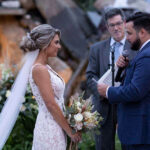
Jewish-Catholic Wedding: How to Honor Both Faiths – Planning a Jewish Catholic wedding is a great way to celebrate love and, at the same time, honor the two religious traditions that are so rich in history. Since a lot of couples want their Jewish Catholic Interfaith wedding to reflect the values, rituals, and beliefs of both families, with a bit of understanding and willingness to talk, making a Jewish Catholic Wedding Ceremony that respects each faith and at the same time makes a wonderful shared experience is totally doable.
A Jewish-Catholic wedding is a way of bringing together not only different rituals but also families and traditions. Moreover, it is an approach to compromise and agree with each other’s differences while keeping on showing respect for each other. Interfaith wedding couples often resort to hiring an interfaith officiant or taking elements from each tradition so that the ceremony will be a reflection of the couple and, at the same time, will be balanced.
Know the Basics of Both Religions
It is helpful to know what each religious group normally does at a wedding before you even start to plan the ceremony.
- In Judaism, it is very common to have the wedding take place under a chuppah, a canopy that represents the couple’s new home.
- Catholic weddings, on the other hand, are almost always held in a church, and they feature prayers, readings from the scripture, and a priest’s blessing.
Several couples decide on a neutral location to hold their wedding ceremony so that neither tradition will overpower the other. Sometimes they even get special permission from the Catholic Church to have their interfaith ceremony outside a church setting.
Ways to Blend Jewish and Catholic Traditions
1. Getting Married Under a Chuppah
Including a chuppah in a Jewish Catholic interfaith wedding is one of the most common ways. This canopy is a metaphor for the home that the newlyweds will create together and is so well-liked that even those guests who are not familiar with Jewish customs appreciate it.
A chuppah can be done up with flowers, drapery, or family treasures, which not only gives it a deep meaning but also makes it visually beautiful.
2. Lighting of a Unity Candle
Generally, in Christian weddings, the lighting of a unity candle is a well-known custom. It is a powerful symbol of the joining of two families as well as two individuals who are becoming one in an interfaith setting. This ceremony usually features parents lighting individual candles, and then the couple lighting a candle together.
Since candles are used in both religions, this ceremony is deemed nice and meaningful for both sides.
3. Dual Faith Readings
Usually, couples will incorporate pieces of scripture or readings that are meaningful to both faiths. Some samples are:
- A section from the Hebrew Bible
- A piece from the Catholic Bible
- A poem or reflection about love
With these readings, the two faiths in the ceremony are equally represented.
4. Vows and Ring Exchange
In Catholic wedding ceremonies, it is quite common for couples to say vows along the lines of I do. On the contrary, Jewish weddings usually depend on the ketubah, which is a written marriage contract, rather than spoken vows. When it comes to a mixed ceremony, couples usually:
- Exchange personal vows
- Include a ketubah signing
- Perform a ring exchange
This mix is a way of respecting both traditions at once.
5. Breaking the Glass
Breaking a glass is one of the most famous Jewish wedding traditions, which takes place right at the end of the ceremony.
Either the groom or sometimes both partners step on a glass, and the guests cry out Mazel Tov! This tradition symbolizes that life is fragile and couples are urged to make the most of their marriage. Adding this element brings a festive and unforgettable end to the ceremony.
“An interfaith wedding is most successful when couples focus on shared values – love, commitment, and family – rather than differences in ritual.”
Selecting the Right Officiant

The choice of an officiant is among the most significant decisions in a Jewish Catholic wedding ceremony. Couples often choose:
- A rabbi experienced in interfaith weddings
- A priest who has special permission to participate
- A dual-officiated ceremony with both clergy
- A specialized interfaith officiant
The secret is finding the person who not only honors both faiths but also leads the couple through delicate religious matters.
Tips for Planning a Meaningful Interfaith Wedding
Couples who want their marriage ceremony to be a true representation of both religions may find the following useful in organizing their ceremony:
- People’s beliefs about marriage vary a lot, so it is best to tell your parents about your wedding plans as soon as possible to prevent disagreements.
- Marriage is one of the greatest gifts from God, according to both Judaism and Catholicism.
- Besides having traditional music and readings, it is great to have both cultures incorporated into the ceremony.
- Professionals with experience in interfaith weddings know how to blend different traditions respectfully and beautifully.
Cherishing the Reception Together
Couples coming from different cultures like to showcase both through the selection of music, food, and their wedding attire. Dancing holds a very special place in Jewish weddings, and the traditional feast known as the wedding meal is a highlight of the day. A few items commonly found in a wedding reception include:
- The Jewish Hora dance
- Catholic toasts and blessings
- Shared cultural music and food
This way, the celebration turns into a reflection of the couple’s background as well as a joyful event.
Conclusion
A wedding ceremony that is both Jewish and Catholic is a wonderful way to highlight commitment to one another as well as respect for two faith traditions. Apart from being well thought out and honest, a ceremony can be made that honors both religions, and families can be united as well.
Couples looking for wedding religious counseling, Rabbi Ron Broden assists couples to produce very meaningful Jewish and interfaith wedding ceremonies, along with blending the traditions with respect and inclusiveness. He offers couples both guidance and personalized ceremonies if they are honoring the backgrounds of a Jewish person and a Christian person.
FAQs
Can a Jewish and Catholic couple have a religious wedding?
Yes, a couple can have a Jewish Catholic interfaith wedding by either mixing the different traditions or by relying on clergy members who are favorable to interfaith ceremonies.
Can a rabbi and a priest officiate together?
Sometimes, yes. On the other hand, it will usually be a matter of the individual rabbis’, priests’, and religious authorities’ policies.
Where can a Jewish-Catholic wedding ceremony take place?
Besides a church, it may be done in a synagogue or an entirely neutral venue such as a garden or event hall.
What Jewish traditions are commonly included?
The chuppah, ketubah signing, circling rituals, and breaking the glass are among the most popular traditions.
How can couples make the ceremony meaningful for both families?
One way could be to include both traditions with their blessings, rituals, and readings, and at the same time, rely on common values.