

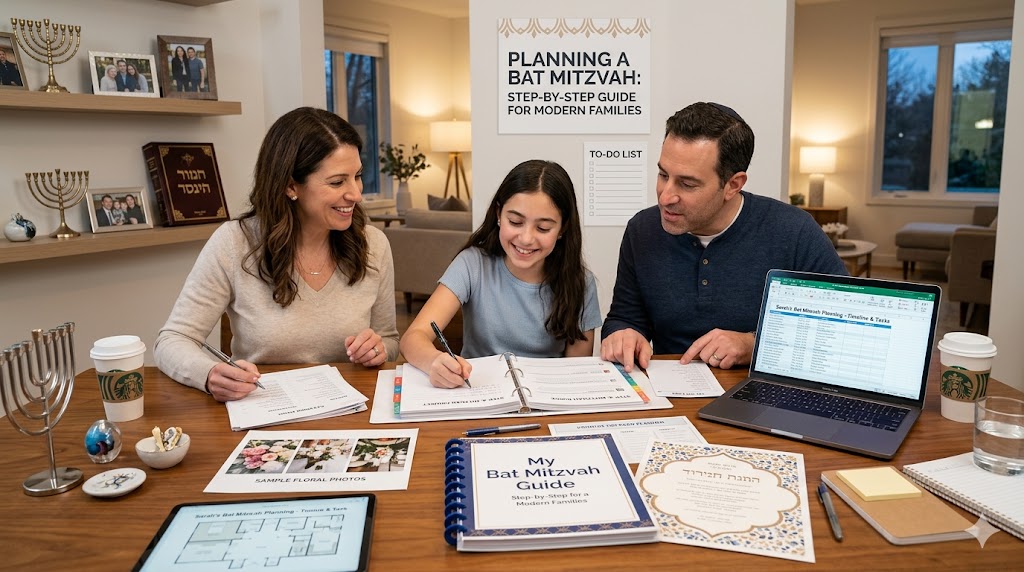
Bat Mitzvah planning can be very confusing, but it doesn’t have to be! The number of things that you need to work out is a lot like planning a mini-wedding, except you have many more Hebrew lessons thrown in. The good news is that you don’t have to manage this by yourself and you do not necessarily have to plan a Bat Mitzvah using traditional forms. Many families are looking at how Bat Mitzvahs can be different while maintaining the traditions of Judaism. If your daughter is 13 years old and preparing for her Bat Mitzvah or you are just beginning to plan for it, this guide will help you to understand what the whole process looks like, starting from preparing spiritually for your daughters Bat Mitzvah through to the celebration, and give you ideas on how you can have a Bat Mitzvah that represents your family values and your daughter’s personality.
Step 1: Start with Spiritual Preparation
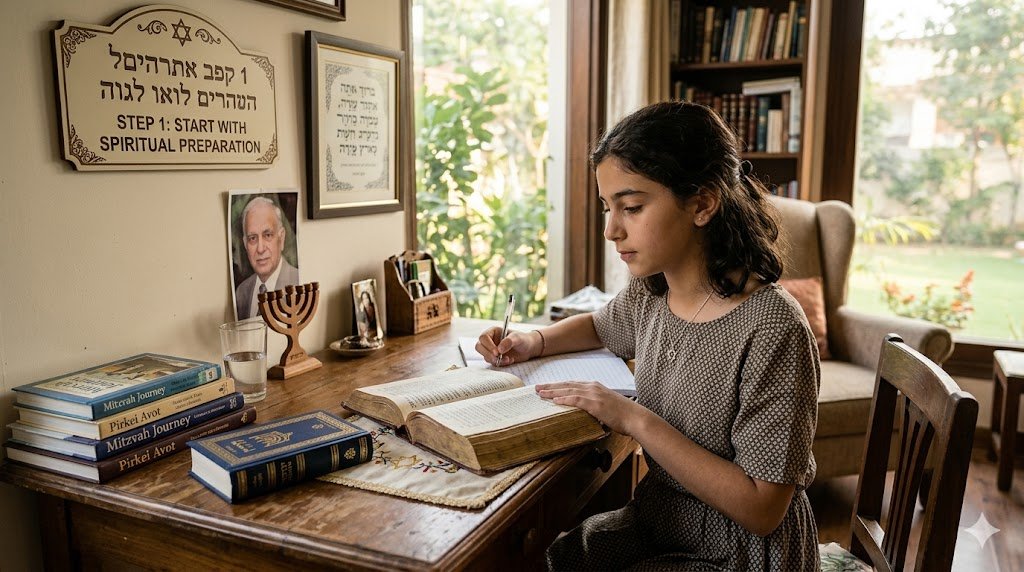
Start by reaching out to a Synagogue or Jewish Community Center near you. The usual time it takes for your daughter to complete the required 1 to 2 years of Hebrew and prerequisite classes in Jewish Studies is 1 to 2 years. If you do not have any connection to a synagogue, do some research in order to find a synagogue that matches the values of your family. After that, contact the rabbi or cantor by setting up an appointment and discussing your daughters learning path and any religious requirements for her Bat Mitzvah event.
Step 2: Choose Your Ceremony Style
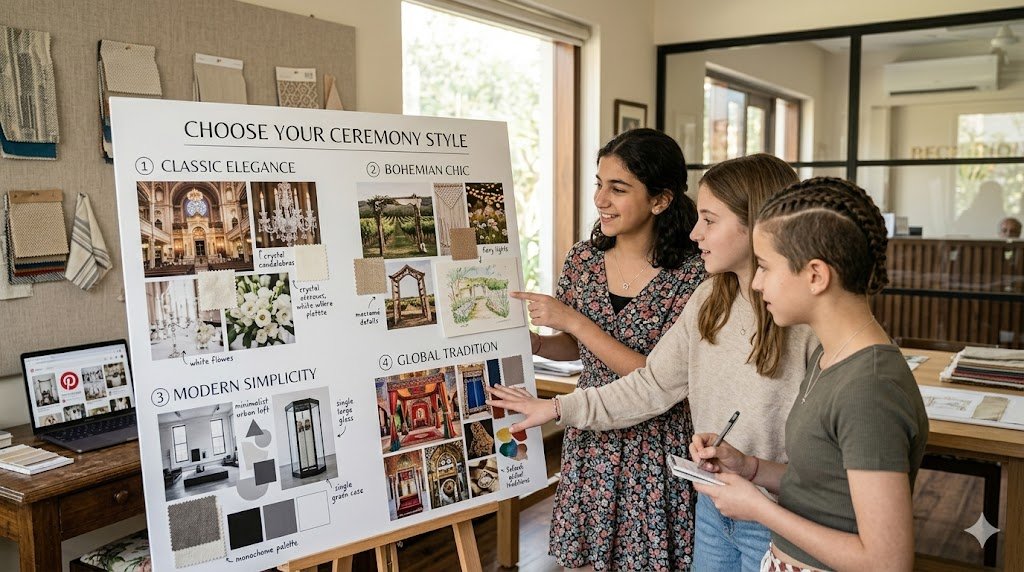
Traditionally, Bat mitzvahs have taken place in a synagogue where the daughter participates in a service by reading from the Torah and leading prayer. However, many families are now choosing to perform their bat mitzvahs in a more modern way for example, some families may use contemporary music or shorter prayers during their services, while others may do one joint ceremony with multiple girls. When planning your daughters bat mitzvah, it is helpful to talk with both her and your rabbi to figure out what everyone wants to do, since this event is really all about her.
Step 3: Plan the Celebration
Select Your Style and Budget for Celebrating. Some families throw parties with limited guest lists—about 30; and other families host larger parties with over 200 attendees. The potential location of the venue is also important. You may have many choices, such as synagogue halls, restaurants, country clubs or in your backyard. It’s recommended that you reserve your space 6-12 months prior to the event if planning to celebrate during busy times like spring.
Step 4: Create Your Guest List and Send Invitations
Consult with your family members first to decide who to invite to the event. Complete the details for the event and send invitations 6 to 8 weeks prior to those events. If you are in a modern family, feel free to use digital invitations, while traditional, printed invites still have a place as well.
Step 5: Arrange Catering and Menu Planning
If this is very important for your family, you should try to find a caterer that is familiar with providing kosher food according to Jewish law. Find out about their kosher options, alcohol policies, and dietary restrictions for your daughter’s special day. Plan something that reflects you and your daughters tastes.
Step 6: Coordinate Details
Arrange for a photographer and videographer, decorate the venue, hire a DJ or live musician, and arrange for any special performances or speeches to occur. Create a schedule of events for the day so that everyone knows where they need to be, what time to be there, and what to expect during the event.
Step 7: Support Your Daughter
Assist her with writing the speech she will present during the reception. There are many young ladies who would like to express their gratitude to their families, talk about what their Torah portion represents for them and/or provide personal insight into themselves and their families. You will also be practicing public speaking together and celebrating her achievements as you prepare for this special moment.
Conclusion
Creating a celebration of the Bat Mitzvah is to honour your daughter’s Jewish heritage and to have a special place in history as she enters adulthood. In order to do this properly, it takes much planning, but the memories that you will create together are invaluable. If you are looking for guidance from professionals on how to plan this special event, Jewish Ceremonies will provide the full assistance necessary to help you cover every element of your Bat Mitzvah experience. Rabbi Ron Broden has been assisting modern families for many years in their planning process of having a meaningful Bat Mitzvah that encompasses all aspects of spirituality, ceremony and celebration to make for a memorable day for both you and your daughter.
FAQs
When should I start planning a Bat Mitzvah?
Plan for your daughters Bat Mitzvah event about 18 to 24 months in advance so that she has enough time to prepare religiously through Hebrew education. Planning this far out allows you to reserve venues and vendors without added pressure; if you are closer to the event date, there is still ample time to plan a gorgeous celebration, though you will feel rushed.
What’s the minimum age for a Bat Mitzvah?
A daughter’s Bat Mitzvah is celebrated when she reaches the age of 12 or 13. However, depending on their readiness, some families will wait to celebrate the Bat Mitzvah until the daughter is older. Adult women may also participate in Bat Mitzvah programming in some communities. Confirm your synagogues policies and procedures for Bat Mitzvah services.
Can I plan a Bat Mitzvah if my family isn’t religious?
For sure! A number of contemporary households use Bat Mitzvahs for connection & cultural/family festivities; as such, they do not treat them solely as “religious” occasions; instead families are encouraged to discuss all options with their rabbi & have access to synagogues that allow for a variety of levels of religious emphasis on a Bat Mitzvah.
Do I need to join a synagogue to have a Bat Mitzvah?
In general, yes. You usually need to be a member of or have a connection to the synagogue as a guest to attend. However, some Reform or Reconstructionist synagogues may also have options for you if you are not currently registered with them and there’s usually also a welcoming community of families who just recently joined.